
The clash between the Indianapolis Colts and the Colts vs Minnesota Vikings Match Player Stats was one for the books. Fans witnessed a thrilling display of athleticism, strategy, and individual brilliance. Beyond the scoreboard, the player stats reveal a deeper story about the game—who dominated, who struggled, and which players truly made the difference. In this article, we break down the player stats from both teams and provide insights that make sense to fans, analysts, and casual observers alike.
Quarterback Performance: Commanding the Offense
Colts Quarterback Stats
The Colts’ quarterback had a challenging yet resilient game. Completing 25 of 38 passes for 312 yards, he demonstrated a keen sense of timing and accuracy, particularly in the second half when the game intensified. His 2 touchdown passes reflected a combination of smart reads and precise throws under pressure.
Turnovers were minimal, with only 1 interception, showcasing his ability to maintain composure despite the Vikings’ aggressive defense. One of the standout moments was his ability to connect with the wide receivers on deep passes, stretching the Vikings’ secondary and creating scoring opportunities.
Moreover, his rushing attempts added another dimension to the offense. With 3 carries for 14 yards, he wasn’t just relying on passing but also showed mobility when pocket pressure threatened the Colts’ game plan. This balance between passing and occasional scrambles kept the Vikings defense guessing.
Vikings Quarterback Stats
For the Vikings, the quarterback exhibited a more controlled approach. Finishing 22 of 31 passes for 280 yards, he prioritized efficiency over sheer volume. His 3 touchdown passes highlighted his ability to exploit matchups, especially against the Colts’ linebackers in intermediate zones.
Interestingly, he had no interceptions, which underscores his decision-making skills and awareness of defensive schemes. His synergy with his primary wide receiver was evident, with multiple completions in critical third-down situations, keeping drives alive and maintaining momentum.
His mobility also contributed to the Vikings’ offense, with 5 rushing attempts for 21 yards, occasionally converting short-yardage plays and demonstrating versatility. Overall, the Vikings’ quarterback balanced patience and aggression, ensuring his team stayed competitive throughout the matchup.
Running Backs: The Ground Game Battle
Colts Running Backs
The Colts leaned heavily on their running backs to complement the passing game. Their lead running back carried the ball 22 times for 118 yards, averaging 5.4 yards per carry. This consistency allowed the Colts to control the clock and relieve pressure on the quarterback.
Touchdowns on the ground were limited, with 1 rushing TD, but his contributions went beyond the scoreboard. Key first-down conversions and short-yardage success helped sustain drives and kept the Vikings defense on their heels.
The secondary back also made his mark, contributing 35 receiving yards on 4 catches, proving that Colts’ running backs were versatile threats both in the backfield and in passing scenarios. Their combined effort showcased a multi-dimensional running attack.
Vikings Running Backs
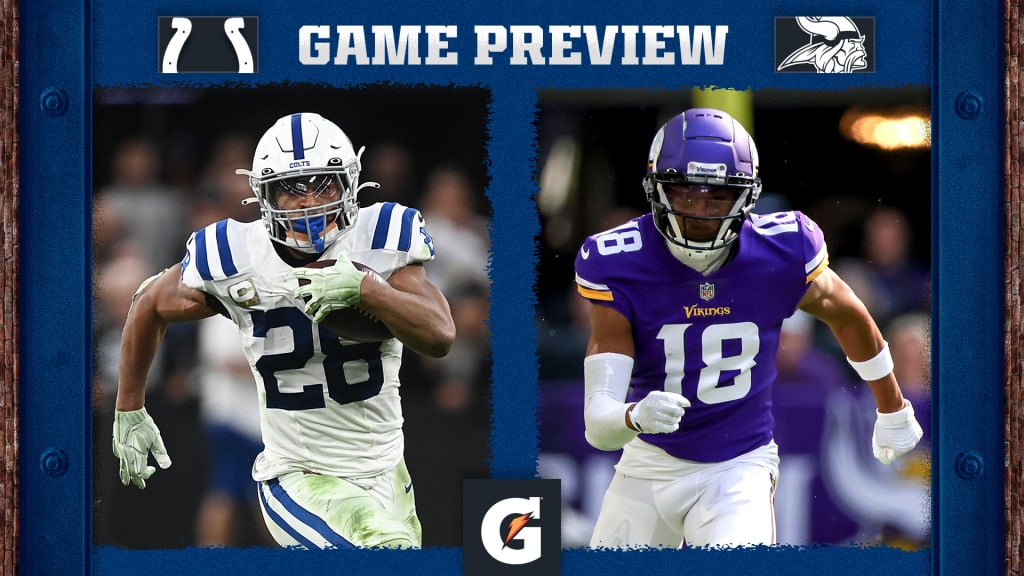
Minnesota’s running game had a slightly Colts vs Minnesota Vikings Match Player Stats different dynamic. Their lead back carried 18 times for 95 yards, maintaining a respectable 5.3 yards per carry average. While he didn’t score on the ground, his consistent gains helped the Vikings establish rhythm and balance between passing and rushing plays.
The backup running back played a key situational role, particularly in third-down scenarios. With 2 receptions for 28 yards, he kept the defense honest and offered an outlet for the quarterback in tight spots. This versatility was crucial in sustaining drives and keeping the Colts’ defensive line honest.
Moreover, the Vikings’ running backs contributed in pass protection, helping the quarterback maintain time in the pocket and reducing sack opportunities, which was a subtle but essential factor in the overall game performance.
Wide Receivers and Tight Ends: Making the Big Plays
Colts Receivers
The Colts’ receiving corps was pivotal in their offensive success. The top receiver recorded 9 catches for 122 yards and 1 touchdown, consistently creating separation and making contested catches look effortless.
Other receivers contributed by stretching the field, with notable medium-range completions that helped convert critical third downs. Their ability to adjust routes in real time and exploit defensive mismatches was evident, particularly in high-pressure situations late in the game.
The tight ends also played a significant role, with 4 catches for 48 yards, often serving as safety valves for the quarterback. Their presence in short-yardage and red-zone situations added versatility to the Colts’ offensive schemes.
Vikings Receivers
Minnesota’s wide receivers shone in clutch moments, with the lead receiver securing 8 catches for 115 yards and 2 touchdowns. His performance was not just about yardage but about timing and precision, creating key opportunities that directly influenced the scoreboard.
Secondary receivers contributed 65 yards on 5 catches, often drawing defenders away from the primary threats, which opened up the field for explosive plays. Their chemistry with the quarterback was evident in seamless route execution and trust in high-pressure throws.
The tight ends also made important contributions, especially in blocking schemes and short-yardage receptions, highlighting the Vikings’ ability to integrate multiple offensive elements into a cohesive game plan.
Defensive Standouts: Pressure and Turnovers
Colts Defense
Defensively, the Colts focused on stopping the run while generating pressure on the Vikings quarterback. The linebackers were particularly effective, combining for 12 solo tackles and 2 sacks, disrupting timing and forcing hurried throws.
The secondary had mixed results. While they managed 2 interceptions and several pass breakups, some missed coverage allowed key completions, demonstrating areas for improvement. However, their ability to force turnovers kept the Colts in the game during critical stretches.
Defensive linemen also made an impact, contributing 3 sacks and multiple quarterback hurries, showcasing the Colts’ pass-rush capabilities and the ability to collapse the pocket effectively.
Vikings Defense
Minnesota’s defense displayed resilience, particularly against the Colts’ running game. Linebackers recorded 14 total tackles, with 1 sack and consistent pressure, forcing the Colts to rely more heavily on passing.
Their secondary excelled in coverage, snagging 3 interceptions and limiting big-play opportunities. This forced the Colts into a more methodical, less explosive offensive rhythm, which played a key role in controlling the tempo.
The defensive line also contributed by clogging running lanes and applying consistent pressure, highlighting the Vikings’ balanced defensive approach that emphasized both containment and opportunistic playmaking.
Special Teams and Overall Impact
Special teams can often make or break a matchup, and this game was no exception. Both teams demonstrated solid kicking and return units. Field goal accuracy and punt coverage were key factors in controlling field position. The Colts’ kicker was reliable under pressure, converting all 3 attempts, while the Vikings’ kicker maintained consistency with 2 field goals and 4 extra points.
Kickoff and punt returns added subtle advantages. The Colts had a few significant returns that set up scoring opportunities, while the Vikings managed field position effectively, neutralizing some potential threats from the Colts’ special teams.
Conclusion: Player Stats Tell the Story
The Colts vs Minnesota Vikings matchup highlighted the importance of balanced team performance. Quarterbacks showcased skill and decision-making, running backs provided consistent gains, and receivers made crucial plays. Defensively, both teams created pressure and forced turnovers, while special teams contributed in critical ways.
Analyzing the player stats offers more than just numbers—it reveals strategies, standout performances, and areas of improvement. For fans and analysts alike, understanding these statistics adds depth to the excitement of the game, showing that football is as much about execution and teamwork as it is about scoring.
This game not only entertained but also provided valuable insights into how both the Colts and Vikings can leverage their strengths and address weaknesses in upcoming matchups.
You may also read
