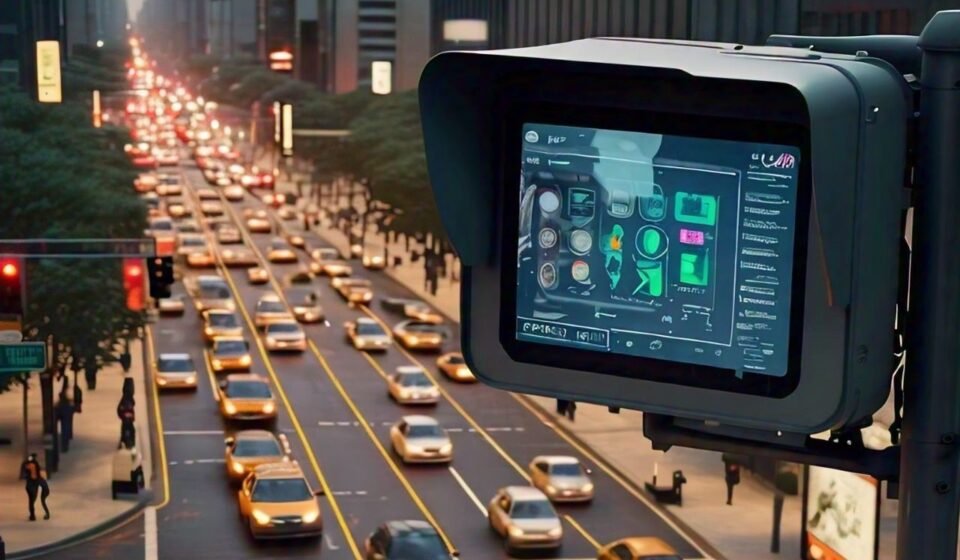

Modern cities face traffic every day. Long waits at signals waste time and fuel. Smart traffic solutions help solve these problems. One important name in this space is global traffic technologies. These advanced systems help emergency vehicles, buses, and public transportation move faster through busy roads. They also improve safety for drivers, cyclists, and pedestrians.
In this guide, you will learn how global traffic technologies work, why cities invest in them, and what the future may look like. You will also discover practical examples, industry trends, benefits, and challenges. Whether you are a student, city planner, transportation enthusiast, or business owner, this article explains everything in simple words.
What Is Global Traffic Technologies?
Global traffic technologies refers to intelligent traffic management solutions that improve road movement using advanced communication systems, smart sensors, traffic signal control, and connected vehicle technology. These systems are designed to reduce delays, improve emergency response times, and make transportation more efficient.
Many cities use these technologies to allow ambulances, fire trucks, and police vehicles to receive priority at traffic signals. Instead of waiting at every intersection, emergency vehicles can safely move through traffic. This reduces response times and can help save lives. Modern traffic technology also supports public transportation by giving buses priority at intersections, making schedules more reliable and improving the travel experience for passengers.
Why Smart Traffic Management Matters
Traffic congestion affects millions of people every day. Drivers lose valuable time, businesses face delivery delays, and fuel consumption increases. Smart traffic management helps reduce these problems by making better decisions based on real-time traffic conditions.
Using global traffic technologies, cities can collect traffic data, adjust signal timing automatically, and improve traffic flow without building new roads. This approach saves money while improving daily transportation. Better traffic management also reduces pollution because vehicles spend less time idling at red lights.
How Global Traffic Technologies Work
The technology combines several intelligent systems into one traffic management platform. Smart sensors detect vehicles approaching an intersection. Communication devices send information between vehicles and traffic controllers. Software analyzes traffic patterns in real time and adjusts signals accordingly.
Emergency vehicle preemption is one of the most valuable features. When an ambulance approaches, the system changes traffic lights to green along its route. Transit signal priority works similarly for buses, helping public transportation stay on schedule. Traffic monitoring cameras and connected infrastructure provide continuous updates that improve traffic decisions throughout the day.
Main Features of Global Traffic Technologies
Modern global traffic technologies include many useful features that improve transportation efficiency. Intelligent traffic signals adjust automatically based on traffic volume instead of fixed schedules. Emergency vehicle priority reduces delays during life-saving missions. Public transit priority keeps buses moving efficiently through busy intersections.
Additional features include traffic monitoring cameras, connected vehicle communication, cloud-based traffic management software, predictive traffic analytics, remote signal control, and data reporting dashboards. Together, these technologies help transportation departments make better decisions and improve road performance.
Benefits for Cities and Communities
Cities benefit from global traffic technologies in many ways. Faster emergency response improves public safety and can reduce property damage during emergencies. Better traffic flow decreases congestion and improves travel times for commuters.
Communities also enjoy cleaner air because fewer vehicles remain stopped at intersections. Businesses benefit from more reliable deliveries, while public transportation becomes more attractive due to improved schedule accuracy. Over time, these improvements increase productivity and create a better driving experience for everyone using the road network.
Real-World Applications
Smart traffic systems are used in many different situations. Emergency services depend on traffic signal priority to reach hospitals, accident scenes, and fire emergencies quickly. Public transportation agencies use intelligent intersections to reduce delays for buses.
Airports, university campuses, business districts, industrial parks, and large event venues also use advanced traffic control systems. During sporting events or concerts, traffic technology can adjust signal timing to manage thousands of vehicles safely and efficiently. These practical applications demonstrate how global traffic technologies improve transportation in many environments.
Technologies Behind Smart Traffic Systems
Several advanced technologies work together to create intelligent transportation systems. Artificial intelligence analyzes traffic patterns and predicts congestion before it becomes severe. Internet of Things (IoT) devices connect traffic lights, cameras, and road sensors.
Cloud computing stores traffic data and supports remote system management. GPS technology helps emergency vehicles communicate with traffic signals. Machine learning continuously improves signal timing based on historical traffic information. These innovations make global traffic technologies more effective every year.
Challenges of Implementing Smart Traffic Solutions
Although smart traffic systems offer many benefits, implementation requires careful planning. Installing new infrastructure can be expensive, especially in older cities with outdated traffic equipment. Staff training is necessary to manage advanced systems effectively.
Cybersecurity is another important concern because connected infrastructure must remain protected from digital threats. Regular maintenance, software updates, and equipment replacement also require ongoing investment. Despite these challenges, many cities find that long-term benefits outweigh the initial costs.
Future Trends in Global Traffic Technologies
The future of global traffic technologies looks very promising. Connected vehicles will communicate directly with traffic infrastructure, reducing accidents and improving travel efficiency. Artificial intelligence will make traffic decisions faster and more accurately.
Autonomous vehicles will rely on smart intersections to travel safely through cities. Digital twins will allow transportation departments to test traffic improvements before making physical changes. Renewable energy-powered traffic systems and advanced environmental monitoring will also become more common as cities focus on sustainability.
My Expert Perspective
After studying transportation technology trends over the past several years, one lesson stands out clearly. Building more roads alone does not solve traffic congestion forever. Smarter infrastructure often provides better long-term results.
I believe global traffic technologies represent one of the most practical investments cities can make. When emergency vehicles reach people faster and commuters spend less time in traffic, everyone benefits. Success depends on proper planning, regular maintenance, and continuous improvements based on real traffic data rather than assumptions.
Best Practices for Cities Using Smart Traffic Technology
Cities should begin with careful traffic analysis before installing new systems. Understanding local traffic patterns helps planners choose the right technology. Pilot projects can test new solutions before expanding citywide.
Regular software updates, staff training, and equipment inspections keep systems operating efficiently. Public communication also matters because residents are more likely to support transportation improvements when they understand the benefits. Working with experienced transportation professionals improves project success and long-term performance.
Conclusion
Global traffic technologies continue to transform modern transportation by making roads safer, smarter, and more efficient. From emergency vehicle priority to intelligent traffic signals and AI-powered traffic management, these solutions help cities reduce congestion while improving public safety.
As technology continues to evolve, smart transportation systems will become even more connected and intelligent. Cities that invest in these innovations today will be better prepared for future transportation challenges. Whether you work in transportation or simply want smoother daily travel, understanding global traffic technologies helps you appreciate how modern infrastructure improves everyday life.
Frequently Asked Questions (FAQs)
1. What are global traffic technologies?
Global traffic technologies are smart traffic management systems that improve road safety, emergency response, and traffic flow using intelligent software, sensors, and connected communication networks.
2. How do smart traffic signals work?
Smart traffic signals analyze real-time traffic conditions and automatically adjust signal timing to reduce congestion and improve vehicle movement.
3. Why are emergency vehicle priority systems important?
These systems allow ambulances, fire trucks, and police vehicles to receive green lights at intersections, helping them reach emergencies faster and more safely.
4. Do global traffic technologies reduce traffic congestion?
Yes. Intelligent traffic management improves traffic flow, reduces waiting times, lowers fuel consumption, and minimizes unnecessary delays at intersections.
5. What technologies support intelligent transportation systems?
Key technologies include Artificial Intelligence (AI), Internet of Things (IoT), GPS tracking, cloud computing, machine learning, connected vehicle communication, and advanced traffic sensors.
6. What is the future of global traffic technologies?
Future developments include AI-powered traffic prediction, autonomous vehicle integration, connected smart cities, digital twins, and even more efficient traffic management systems powered by real-time data.