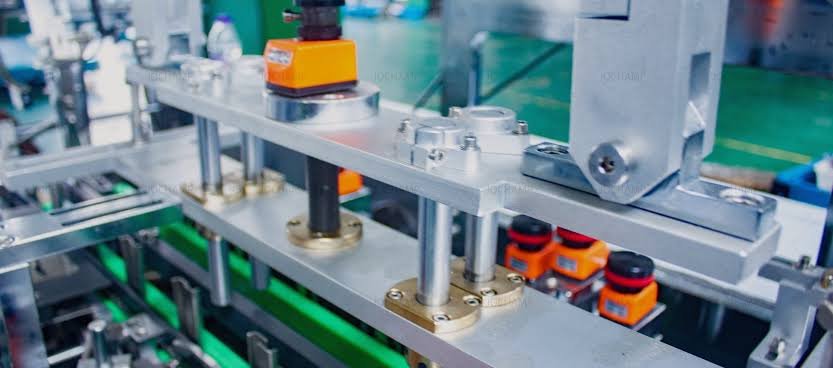
100–250 Gram Shisha Tobacco Packaging Line: Complete Guide to High-Speed and Accurate Packaging

Introduction
A 100–250 Gram Shisha Tobacco Packaging Line is an advanced automated system designed to package shisha tobacco into containers ranging from 100 grams to 250 grams. These packaging lines are widely used by tobacco manufacturers that require high production capacity, consistent product quality, and reliable packaging performance. Automation helps manufacturers improve efficiency, reduce labor costs, and maintain strict quality standards while meeting growing market demand.
Modern packaging lines integrate filling, weighing, sealing, labeling, coding, inspection, and carton packing into one streamlined process. Whether packaging flavored molasses tobacco in plastic jars, metal cans, or pouches, these systems ensure every package meets precise weight and appearance requirements.
What Is a 100–250 Gram Shisha Tobacco Packaging Line?
A 100–250 Gram Shisha Tobacco Packaging Line is a fully automatic production system specifically designed for medium-sized tobacco packages. The line accurately measures tobacco, fills containers, seals them securely, and prepares finished products for shipping.
The system minimizes manual handling while increasing production speed. It is suitable for factories producing premium and commercial shisha tobacco products for domestic and international markets.
Main Components of the Packaging Line
Every modern packaging line consists of several integrated machines that work together efficiently.
- Automatic tobacco feeding system
- Precision weighing unit
- Automatic filling machine
- Container feeding conveyor
- Foil sealing machine
- Lid capping machine
- Labeling machine
- Inkjet date coding system
- Quality inspection equipment
- Automatic carton packing machine
- Case sealing machine
- Palletizing system
Each machine communicates with the next, creating a smooth and continuous production process.
Packaging Capacity
Production capacity depends on the machine configuration and package size.
Typical production capacities include:
- 40–60 packs per minute
- 60–80 packs per minute
- 80–100 packs per minute
- 100–120 packs per minute
- High-speed customized solutions
The right capacity depends on factory production goals and market demand.
Supported Packaging Sizes
One of the biggest advantages of these machines is flexibility.
Common package sizes include:
- 100 g
- 120 g
- 150 g
- 200 g
- 250 g
Many machines allow quick size adjustments without replacing major components, reducing downtime during production changes.
Types of Packaging
Manufacturers can package shisha tobacco using various container styles.
Common packaging options include:
- Plastic containers
- Round plastic jars
- Square plastic boxes
- Metal tins
- Aluminum cans
- Composite containers
- Stand-up pouches
- Vacuum bags
- Premium gift packaging
The packaging line can often be customized according to the manufacturer’s branding requirements.
High Precision Filling Technology
Accurate filling is one of the most important features of a professional packaging line.
Modern filling systems use intelligent weighing technology that ensures every container receives the correct amount of tobacco.
Benefits include:
- Reduced product waste
- Accurate package weights
- Better product consistency
- Lower production costs
- Compliance with quality regulations
Precision filling also helps manufacturers avoid customer complaints related to underfilled packages.
Advanced Automation Features
Today’s packaging lines incorporate advanced automation technologies that improve overall productivity.
Common automation features include:
- PLC control system
- Touch screen interface
- Automatic fault detection
- Production monitoring
- Recipe storage
- Automatic weight adjustment
- Error alarm system
- Emergency safety controls
Operators can manage the entire production line through a single control panel.
Advantages of Automated Packaging
Automated packaging provides significant advantages compared to manual production.
Major benefits include:
- Higher production speed
- Consistent packaging quality
- Reduced labor requirements
- Improved workplace safety
- Lower operating costs
- Faster production cycles
- Increased product consistency
- Better production planning
Automation also allows manufacturers to operate continuously for long production shifts.
Hygienic Production Standards
Food-grade manufacturing standards are essential for shisha tobacco production.
Most packaging equipment is manufactured using stainless steel components that resist corrosion and are easy to clean.
Hygienic features include:
- Stainless steel construction
- Dust protection
- Easy cleaning surfaces
- Sealed mechanical components
- Food-grade contact materials
- Minimal product contamination
These features help maintain product freshness throughout the packaging process.
Sealing Technology
Proper sealing protects tobacco from moisture loss and contamination.
Common sealing methods include:
- Aluminum foil induction sealing
- Heat sealing
- Pressure sealing
- Vacuum sealing
- Tamper-evident sealing
Strong seals increase product shelf life while maintaining tobacco flavor and moisture.
Labeling and Coding
Modern packaging lines automatically apply product labels and print essential production information.
Typical printed information includes:
- Manufacturing date
- Expiry date
- Batch number
- Barcode
- QR code
- Production shift
- Traceability code
Automatic labeling improves product presentation while supporting inventory management.
Quality Control Systems
Modern production lines include several inspection stations.
Inspection systems can detect:
- Incorrect weight
- Missing lids
- Improper seals
- Missing labels
- Damaged containers
- Coding errors
Rejected products are automatically removed from the production line, ensuring only qualified products reach customers.
Energy Efficiency
Modern machines are designed to reduce energy consumption while maintaining high productivity.
Energy-saving technologies include:
- Servo motors
- Variable frequency drives
- Intelligent power management
- Automatic standby mode
- Low-energy heating systems
Lower energy consumption helps manufacturers reduce operating expenses over time.
Industries That Use These Packaging Lines
Although designed primarily for shisha tobacco, these machines can package many similar products.
Industries include:
- Shisha tobacco manufacturing
- Herbal smoking products
- Molasses packaging
- Tea packaging
- Powder products
- Granule packaging
- Food ingredient packaging
- Specialty consumer goods
This versatility increases the equipment’s long-term value.
Maintenance Requirements
Regular maintenance helps maximize equipment lifespan.
Recommended maintenance tasks include:
- Daily cleaning
- Lubricating moving parts
- Inspecting sensors
- Checking conveyor belts
- Calibrating weighing systems
- Monitoring electrical connections
- Replacing worn components
Preventive maintenance reduces unexpected downtime and costly repairs.
Factors to Consider Before Purchasing
Choosing the right packaging line requires careful planning.
Important factors include:
- Production capacity
- Package size range
- Container type
- Factory space
- Automation level
- Power requirements
- Maintenance support
- Spare parts availability
- Technical training
- Future expansion capability
Evaluating these factors ensures the equipment meets current and future production needs.
Future Trends in Shisha Tobacco Packaging
Packaging technology continues to evolve with smart manufacturing innovations.
Future developments include:
- Artificial intelligence quality inspection
- Remote machine monitoring
- Predictive maintenance
- Robotic palletizing
- Cloud production management
- Smart factory integration
- Sustainable packaging materials
- Energy-efficient automation
These innovations will further improve production efficiency and reduce operational costs.
Conclusion
A 100–250 Gram Shisha Tobacco Packaging Line is an ideal solution for manufacturers seeking efficient, accurate, and high-capacity packaging. By integrating automated filling, sealing, labeling, inspection, and carton packing into one production system, manufacturers can achieve greater productivity, lower labor costs, and consistently high product quality. With flexible packaging options, precise weighing technology, hygienic construction, and advanced automation features, these packaging lines provide a reliable investment for businesses aiming to expand production while maintaining excellent packaging standards and customer satisfaction.