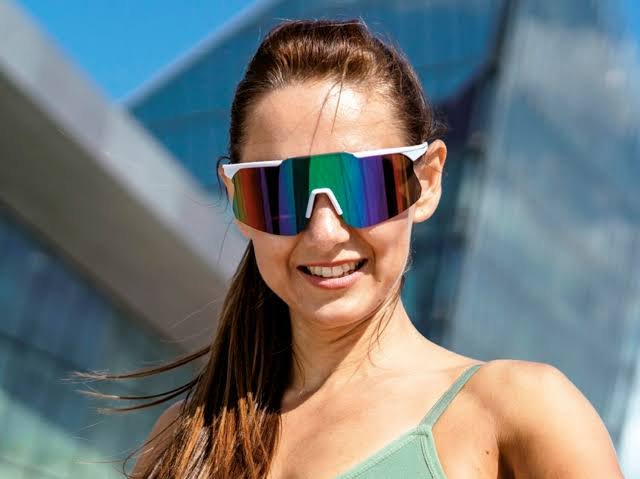

Finding the right sports sunglasses supplier is an important step for any business selling athletic eyewear. Whether you own a sports store, run an online shop, or launch a private-label brand, your supplier directly affects your product quality and customer satisfaction. High-quality sports sunglasses protect athletes from harmful UV rays while improving visibility and comfort during outdoor activities.
A reliable supplier does more than manufacture sunglasses. They help businesses maintain consistent quality, offer customization options, provide competitive prices, and deliver products on time. Choosing the right partner can help your business grow faster and build customer trust. This guide explains everything you should know before selecting a sports sunglasses supplier.
Why Choosing the Right Sports Sunglasses Supplier Matters
The eyewear market continues to grow as more people participate in outdoor sports and fitness activities. Customers expect sunglasses that combine style, durability, and performance. Working with the right sports sunglasses supplier ensures your products meet these expectations.
Reliable suppliers maintain strict quality standards throughout production. They also provide professional customer support and flexible manufacturing options. Businesses benefit from fewer product returns, stronger customer loyalty, and better profit margins.
A dependable supplier becomes a long-term business partner rather than just a manufacturer.
Features of High-Quality Sports Sunglasses
Sports sunglasses differ from ordinary fashion eyewear. They must perform well under challenging outdoor conditions while remaining comfortable for extended wear.
Important features include:
- UV400 protection against harmful ultraviolet rays
- Impact-resistant polycarbonate lenses
- Lightweight yet durable frames
- Anti-slip nose pads and temple grips
- Scratch-resistant lens coating
- Polarized lens options
- Comfortable ergonomic design
- Wide field of vision
A professional sports sunglasses supplier should offer products that meet these quality standards.
Types of Sports Sunglasses Available
Different sports require different eyewear designs. An experienced supplier usually manufactures sunglasses for various athletic activities.
Popular categories include:
Cycling Sunglasses
Cyclists need lightweight frames with wraparound lenses for maximum coverage. Ventilation helps reduce fogging during long rides.
Running Sunglasses
Running sunglasses focus on comfort, stability, and lightweight construction. They should stay secure during movement.
Golf Sunglasses
Golf sunglasses improve contrast and reduce glare while helping players follow the ball more easily.
Fishing Sunglasses
Fishing eyewear often includes polarized lenses that minimize water glare and improve underwater visibility.
Baseball and Softball Sunglasses
Athletes require impact-resistant lenses with excellent clarity for tracking fast-moving balls.
Ski and Snow Sports Eyewear
Snow sports demand lenses that reduce bright reflections while protecting against UV exposure at high altitudes.
A versatile sports sunglasses supplier typically offers multiple sports-specific collections.
Benefits of Working with a Professional Sports Sunglasses Supplier
Businesses gain many advantages by partnering with an experienced manufacturer.
Consistent Product Quality
Professional suppliers follow strict manufacturing standards and quality inspections. This consistency helps build customer confidence.
Competitive Wholesale Pricing
Bulk production lowers manufacturing costs, allowing retailers to increase profit margins.
Custom Branding
Many suppliers provide private-label services, including custom logos, packaging, and frame colors.
Large Production Capacity
Established manufacturers can fulfill both small and large orders without sacrificing quality.
Global Shipping
Reliable suppliers understand international logistics and can ship products worldwide.
These advantages help businesses expand efficiently while maintaining product quality.
Private Label Sports Sunglasses
Private labeling allows businesses to sell sunglasses under their own brand name instead of another manufacturer’s logo.
Many sports eyewear companies use this strategy to establish unique identities in the market.
Private label services often include:
- Custom frame colors
- Brand logo printing
- Custom packaging
- Lens color selection
- Branded carrying cases
- Cleaning cloth customization
- Product manuals
A trusted sports sunglasses supplier should provide flexible private-label solutions for businesses of different sizes.
Materials Used in Sports Sunglasses
Material quality determines durability, comfort, and performance.
Polycarbonate Lenses
Polycarbonate is lightweight and highly impact resistant, making it ideal for sports applications.
TR90 Frames
TR90 is a flexible thermoplastic material known for durability and comfort.
Rubber Components
Soft rubber nose pads and temple tips improve grip during physical activity.
Polarized Filters
Polarized technology reduces glare from reflective surfaces such as roads, lakes, and snow.
The best suppliers use premium materials to produce long-lasting sports eyewear.
How to Evaluate a Sports Sunglasses Supplier
Before placing an order, businesses should carefully evaluate potential suppliers.
Important factors include:
Manufacturing Experience
Choose companies with years of experience producing sports eyewear.
Quality Certifications
Look for suppliers that comply with recognized quality standards and safety regulations.
Product Samples
Always request samples before making large purchases.
Customer Reviews
Positive customer feedback indicates reliability and consistent quality.
Communication
Responsive communication is essential for smooth production and order management.
Production Capacity
Confirm that the supplier can handle your future business growth.
Evaluating these factors reduces business risks.
Customization Options
Modern consumers appreciate personalized products. Many suppliers offer extensive customization services.
Popular customization options include:
- Frame colors
- Lens colors
- Mirror coatings
- Gradient lenses
- Brand logos
- Retail packaging
- Hard carrying cases
- Soft microfiber pouches
Working with a flexible sports sunglasses supplier allows brands to stand out in competitive markets.
Quality Control Process
Quality control protects both suppliers and buyers.
Professional manufacturers inspect products during several production stages.
Typical inspections include:
- Raw material testing
- Frame durability checks
- Lens clarity inspection
- UV protection verification
- Hinge strength testing
- Packaging inspection
- Final product review
These quality checks help ensure customers receive reliable sports sunglasses.
Current Trends in Sports Eyewear
The sports eyewear industry continues evolving with new technologies and changing customer preferences.
Popular trends include:
- Sustainable frame materials
- Interchangeable lenses
- Photochromic lenses
- Ultra-lightweight frames
- Bold color combinations
- Eco-friendly packaging
- Smart manufacturing technology
An innovative sports sunglasses supplier stays updated with these industry trends to meet market demand.
Tips for Building a Long-Term Supplier Relationship
Strong supplier relationships benefit both parties.
To maintain successful partnerships:
- Communicate clearly
- Pay invoices on time
- Share product feedback
- Plan inventory early
- Discuss future product development
- Build trust through long-term cooperation
A reliable relationship often leads to better pricing and improved production efficiency.
Common Mistakes to Avoid
Businesses sometimes make costly mistakes when selecting suppliers.
Avoid these common errors:
- Choosing only the lowest price
- Ignoring product samples
- Failing to verify certifications
- Overlooking shipping costs
- Not discussing production timelines
- Ignoring warranty policies
Careful planning helps avoid these problems.
Future of the Sports Sunglasses Industry
Demand for sports eyewear is expected to remain strong as outdoor recreation continues growing worldwide. Consumers increasingly value eye protection, lightweight designs, and stylish appearance.
Manufacturers are investing in advanced lens technologies, environmentally friendly materials, and automated production systems. Businesses that partner with an innovative sports sunglasses supplier will be better positioned to meet changing customer expectations and remain competitive in the global market.
Conclusion
Choosing the right sports sunglasses supplier is one of the most important decisions for any eyewear business. A dependable supplier delivers consistent quality, competitive pricing, customization options, and reliable service. These factors help businesses build stronger brands and increase customer satisfaction.
Before making a final decision, evaluate manufacturing experience, product quality, certifications, communication, and production capabilities. Investing time in selecting the right supplier creates a strong foundation for long-term business success in the growing sports eyewear industry.
Frequently Asked Questions
What does a sports sunglasses supplier do?
A sports sunglasses supplier manufactures or distributes performance eyewear for retailers, brands, wholesalers, and online businesses.
Can I create my own sports sunglasses brand?
Yes. Many suppliers offer private-label and OEM services that allow you to sell sunglasses under your own brand.
What materials are best for sports sunglasses?
Polycarbonate lenses and TR90 frames are among the most popular choices because they are lightweight, durable, and impact resistant.
Are polarized lenses good for sports?
Yes. Polarized lenses reduce glare and improve visibility, making them ideal for activities like cycling, fishing, and driving.
How can I verify a supplier’s quality?
Request product samples, review certifications, check customer feedback, and ask about their quality control process.
What is the minimum order quantity?
Minimum order quantities vary by manufacturer. Some suppliers accept small trial orders, while others specialize in large wholesale production.