
Introduction
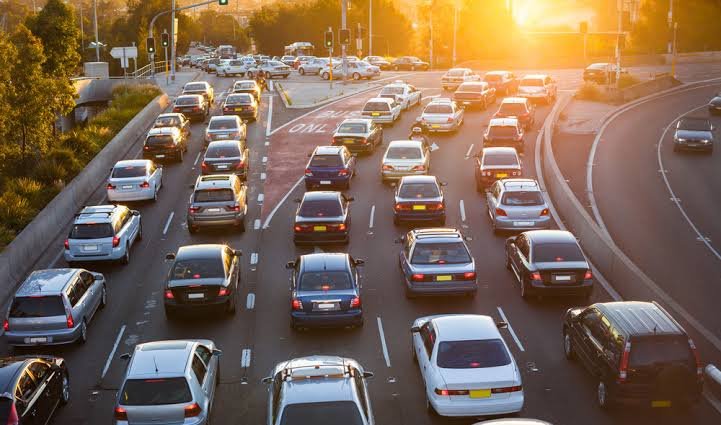
A vehicle traffic signal is one of the most important components of modern road transportation. It controls the movement of vehicles at intersections, pedestrian crossings, highways, and busy urban roads. By providing clear instructions through colored lights, traffic signals help prevent accidents, reduce traffic congestion, and improve the overall flow of vehicles.
As cities continue to grow and the number of vehicles increases, efficient traffic management has become more important than ever. Modern vehicle traffic signals now include advanced technologies such as LED lighting, smart sensors, and adaptive control systems that make roads safer and more efficient. Whether on a small local street or a major highway, traffic signals play a critical role in ensuring safe travel for drivers, cyclists, and pedestrians.
What Is a Vehicle Traffic Signal?
A vehicle traffic signal is an electronic traffic control device installed at road intersections or other strategic locations to regulate vehicle movement. It uses three universally recognized colors—red, yellow, and green—to communicate driving instructions.
The primary purpose of a vehicle traffic signal is to organize traffic flow, reduce conflicts between vehicles, and provide drivers with clear guidance. Traffic signals are carefully timed to allow vehicles from different directions to move safely without causing collisions.
Modern traffic signals are managed through intelligent traffic control systems that adjust signal timing based on traffic conditions, making transportation networks more efficient.
How Vehicle Traffic Signals Work
Vehicle traffic signals operate using a combination of electrical controllers, timers, sensors, and communication systems. Each signal follows a programmed sequence designed to maintain orderly traffic movement.
The standard signal sequence includes:
- Red light instructs vehicles to stop completely.
- Yellow light warns drivers that the signal is about to change.
- Green light allows vehicles to proceed when the intersection is clear.
- Traffic controllers manage signal timing automatically.
- Sensors detect vehicle presence and adjust signal duration.
- Smart systems analyze traffic patterns to reduce congestion.
Advanced traffic signals can communicate with central traffic management centers, allowing operators to monitor and adjust signal performance in real time.
Main Components of a Vehicle Traffic Signal
Every vehicle traffic signal consists of several essential components that work together to ensure reliable operation.
- LED signal modules
- Aluminum or polycarbonate housing
- Signal controller
- Mounting brackets
- Electrical wiring
- Vehicle detection sensors
- Power supply
- Communication equipment
- Weatherproof seals
- Protective visors
Each component is designed to withstand harsh weather conditions while maintaining consistent performance throughout the year.
Types of Vehicle Traffic Signals
Different road conditions require different types of vehicle traffic signals. Manufacturers offer several designs to meet various traffic management needs.
Standard Three-Color Signals
These are the most common traffic signals found at intersections. They display red, yellow, and green lights to regulate vehicle movement.
Arrow Traffic Signals
Arrow signals control turning movements by providing dedicated left-turn or right-turn instructions.
Flashing Traffic Signals
Flashing signals are often used at low-traffic intersections, school zones, or construction areas where full signal operation is unnecessary.
Smart Vehicle Traffic Signals
These intelligent systems automatically adjust signal timing based on real-time traffic conditions using sensors and artificial intelligence.
Solar-Powered Traffic Signals
Solar traffic signals use renewable energy, making them ideal for remote locations or areas with unreliable electrical infrastructure.
Benefits of Vehicle Traffic Signals
Vehicle traffic signals provide numerous advantages for cities, transportation agencies, and road users.
- Improve road safety
- Reduce vehicle collisions
- Organize traffic flow
- Minimize traffic congestion
- Lower fuel consumption
- Reduce vehicle emissions
- Improve emergency vehicle movement
- Increase driver confidence
- Support pedestrian safety
- Enhance urban transportation efficiency
Properly designed traffic signal systems contribute significantly to safer and more sustainable transportation networks.
LED Technology in Vehicle Traffic Signals
LED technology has transformed the traffic signal industry. Compared to traditional incandescent bulbs, LED traffic signals offer higher efficiency and longer service life.
Major benefits include:
- Low power consumption
- High brightness
- Longer operational lifespan
- Reduced maintenance costs
- Better visibility during daytime
- Excellent night-time performance
- Instant illumination
- Environmentally friendly operation
- Improved reliability
- Lower operating expenses
Because of these advantages, most modern traffic authorities now prefer LED vehicle traffic signals.
Smart Traffic Signal Systems
Smart vehicle traffic signals use advanced technologies to improve traffic efficiency.
Key technologies include:
- Artificial intelligence
- Vehicle detection cameras
- Radar sensors
- Inductive loop detectors
- Wireless communication
- Cloud-based monitoring
- Real-time traffic analysis
- Adaptive signal timing
- Remote maintenance systems
- Data analytics
These systems continuously monitor traffic conditions and automatically adjust signal timing to reduce delays and improve traffic flow.
Applications of Vehicle Traffic Signals
Vehicle traffic signals are used in many transportation environments.
Common applications include:
- Urban intersections
- Highways
- Expressways
- School zones
- Industrial facilities
- Airport roads
- Shopping centers
- Parking areas
- Toll plazas
- Railway crossings
Each application requires specific signal configurations depending on traffic volume and safety requirements.
Factors to Consider When Choosing a Vehicle Traffic Signal
Selecting the right vehicle traffic signal requires careful evaluation of several important factors.
- LED brightness
- Housing material quality
- Waterproof rating
- Energy efficiency
- Signal visibility
- Compliance with international standards
- Ease of maintenance
- Weather resistance
- Installation requirements
- Warranty and manufacturer support
High-quality traffic signals provide better long-term value through reduced maintenance and reliable operation.
Installation and Maintenance
Proper installation ensures that vehicle traffic signals perform effectively throughout their service life.
Installation typically involves:
- Site planning
- Pole installation
- Electrical wiring
- Signal mounting
- Controller configuration
- System testing
- Safety inspection
- Performance verification
Routine maintenance includes cleaning lenses, checking LED modules, inspecting electrical connections, testing controllers, and replacing damaged components when necessary.
Safety Standards for Vehicle Traffic Signals
Traffic signals must comply with national and international safety standards to ensure consistent performance.
Important requirements include:
- High visibility
- Reliable electrical performance
- Weather resistance
- Wind resistance
- Electrical safety
- Consistent color accuracy
- Proper signal timing
- Emergency operation capability
- Long service life
- Regular inspection procedures
Compliance with these standards helps maintain public confidence and improves road safety.
Future Trends in Vehicle Traffic Signals
Traffic signal technology continues to evolve with advances in smart transportation systems.
Emerging trends include:
- AI-powered traffic management
- Internet of Things integration
- Connected vehicle communication
- Predictive traffic control
- Solar-powered infrastructure
- Remote diagnostics
- Cloud-based traffic monitoring
- Autonomous vehicle compatibility
- Green transportation support
- Smart city integration
These innovations will make future transportation systems safer, more efficient, and environmentally sustainable.
Conclusion
A vehicle traffic signal is an essential part of modern transportation infrastructure. It regulates vehicle movement, improves road safety, reduces congestion, and supports efficient traffic management. With the adoption of LED technology, smart sensors, and intelligent traffic control systems, today’s vehicle traffic signals are more reliable and energy-efficient than ever before.
As cities continue to expand and transportation demands increase, investing in high-quality vehicle traffic signals will remain critical for building safer roads and smarter urban environments. Choosing advanced traffic signal solutions ensures long-term performance, lower maintenance costs, and improved mobility for everyone on the road.